Modernize Your Space With Our Expert Renovation Company Solutions
Transforming a space can markedly enhance both usable features and design beauty. Skilled remodeling firms offer a blend of quality craftsmanship and innovative design. These services simplify the remodeling process, ensuring low anxiety for homeowners. Grasping the various aspects involved is crucial. What steps should one take to achieve a successful transformation? The answers might lead to unforeseen understandings and important factors.
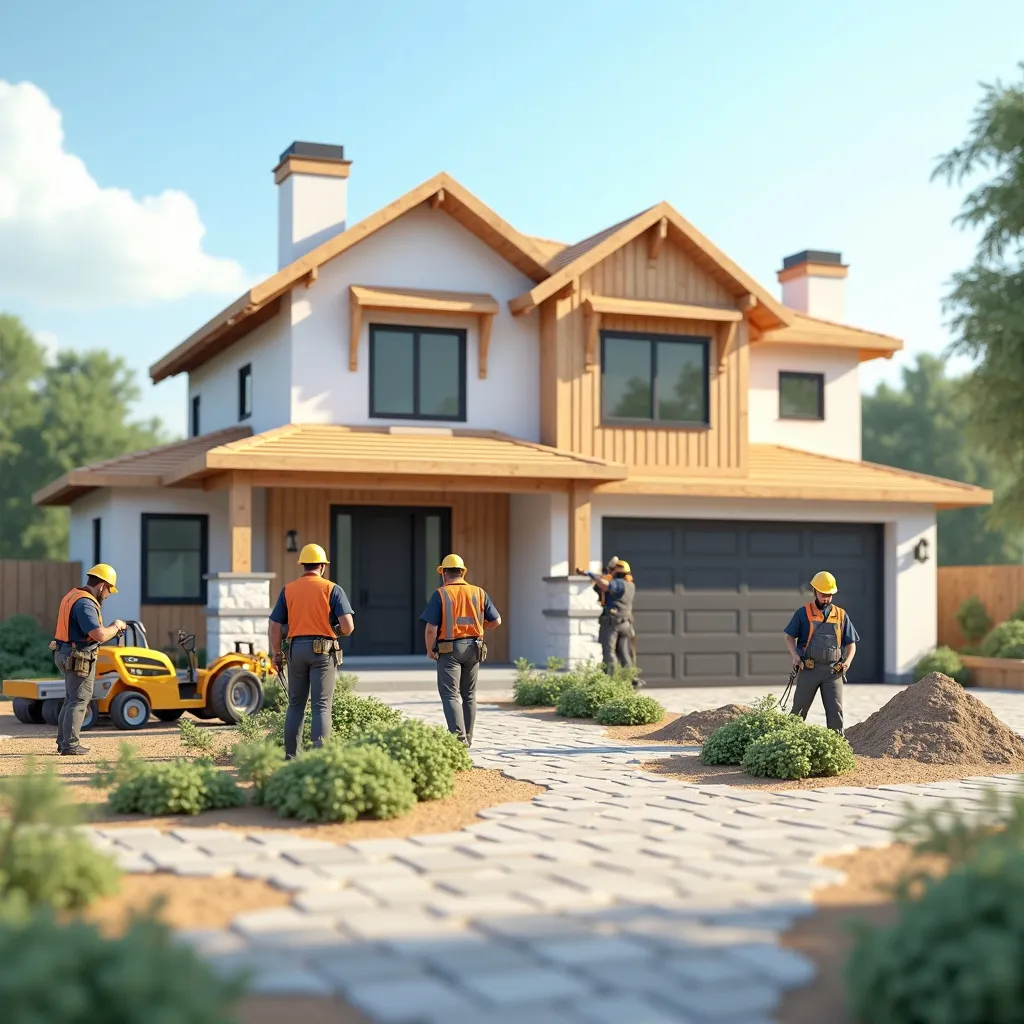
Learn about the Perks of Experienced Home Renovation Services
When homeowners choose to improve their living areas, they often find that expert remodeling solutions deliver significant benefits. Hiring professionals in the field guarantees excellent craftsmanship that meets industry standards. These skilled professionals maintain the necessary capabilities and expertise to handle complex undertakings, diminishing the dangers of costly errors that DIY projects might incur.
Furthermore, expert contractors deliver creative design concepts that can reshape a space in ways homeowners may not foresee. They stay updated on the current trends and technologies, which can markedly enhance aesthetics and functionality. Moreover, using professional services often streamlines the process, as these professionals oversee everything from planning and permits to implementation and evaluations.
In the end, enlisting professional remodeling services not only boosts the caliber of the renovation but also decreases tension for homeowners, allowing them to enjoy the transformation of their living spaces without undue hassle.
Comprehending the Alteration Process: What Can You Expect?
Understanding the remodeling process is vital for residents contemplating a renovation. This journey generally begins with an first meeting, followed by thorough design and planning phases. In conclusion, the construction timeline outlines the steps from start to finish, providing clarity throughout the project.
Early Assessment Processes
How can someone traverse the often complicated world of remodeling? The initial consultation serves as a vital first step in this process. During this meeting, clients consult with experts to talk about their vision, financial plan, and schedule. The renovation company typically performs a thorough assessment of the current space, taking note of structural elements and any possible challenges. This is also an chance for clients to inquire and clarify any uncertainties about the process. The experts offer insights based on experience, helping clients rank their needs and desires. Ultimately, this consultation sets the foundation for a successful renovation project, ensuring both parties are in agreement before moving forward into the subsequent phases of design and planning.
Design and Planning Phase
The strategic and developmental phase transforms starting concepts into tangible blueprints. During this essential period, clients engage with designers to define their vision, preferences, and structural needs. Key elements feature selecting fabrics, colors, and layouts that complement the overall aesthetic and use of the location. Design experts leverage advanced software to construct comprehensive models, allowing clients to visualize the work before building starts. Financial planning also play an important role, as designers guide the prioritization of components and elements to stay within budgetary parameters. Throughout this phase, transparent interaction guarantees that all parties are coordinated, limiting misunderstandings. Ultimately, this meticulous planning sets the foundation for a effective remodeling project, establishing the path for an productive and organized construction process.
Building and Completion Timetable
What should one expect during the building and finishing schedule of a renovation undertaking? Initially, the process commences with site preparation, including demolition and clearing. This stage can vary in duration based on the project's scope. Following this, the building phase commences, including framing, plumbing, and electrical work. This phase often takes the most duration, as it requires precision and adherence to safety standards. Once the structural elements are in place, finishing touches such as drywall installation, flooring, and painting are completed. Finally, a thorough inspection ensures all work meets regulatory standards and the homeowner's expectations. Overall, a remodeling project typically spans several weeks to months, based on complexity, allowing homeowners to visualize their transformed space step by step.
How to Select the Right Renovation Company
Determining the best remodeling company can profoundly influence the results of a residential remodeling project. Homeowners should proceed by researching prospective companies, highlighting on their experience, specialties, and past projects. Online testimonials and ratings can provide insightful information into the company's reputation. It's vital to verify qualifications, including permits and coverage, to ensure compliance with local regulations.
Next, property owners should obtain several estimates to evaluate prices and services, promoting transparency in what is included. Dialogue is another essential factor; a company that heeds its clients and responds promptly fosters a positive working relationship.
At last, studying the company's portfolio can illustrate their visual identity and craftsmanship quality. By deliberately considering these factors, homeowners can make an educated decision, in the end bringing about a successful renovation that accommodates their aspirations and monetary resources.
Most Valuable Remodeling Projects for Your Home
Homeowners typically look for valuable remodeling projects to enhance both capability and appearance. One of the most highly sought improvements is the kitchen transformation, which can strengthen property value and develop a more hospitable atmosphere for family events. Renovating bathrooms is another high-impact project; state-of-the-art features and effective configurations can tremendously enhance comfort and appearance.
Moreover, constructing or upgrading exterior areas, including decks or patios, expands living areas and promotes exterior recreation. Completed basement areas also function as flexible areas, providing options for leisure activities, home offices, or visitor lodging.
Energy-efficient improvements, such as new windows and insulation, not only elevate comfort but also reduce utility costs, making them a excellent investment. Finally, open floor plans have become increasingly popular, building a sense of space and connectivity. Each of these projects can dramatically transform a home, offering homeowners both immediate enjoyment and long-term value.
Establishing Your Home Renovation Upgrade Budget
Budgeting for a home remodeling transformation requires strategic planning and clear financial goals. Occupants should proceed by examining their overall budget, accounting for their financial capacity and targeted goals. It is important to differentiate between needs and wants, emphasizing projects that enhance operational efficiency and property worth.
After that, acquiring specific estimates from contractors can supply realistic estimates for effort and goods. Including a contingency fund—typically 10-20% of the total budget—can support in addressing unexpected expenses that may take place during the remodeling process.
Additionally, homeowners should explore financing options, such as home equity loans or personal loans, to ensure that they can handle costs effectively. By establishing a well-defined budget and tracking expenditures throughout the project, property owners can accomplish a positive transformation without financial strain. Ultimately, careful budgeting lays the foundation for a rewarding remodeling experience.
Popular Shifts in Home Remodeling Design
Current trends in home remodeling design prioritize green initiatives, indicating a heightened understanding of environmental impact. Open plan layouts continues to timely resource gain popularity, advancing a sense of spaciousness and connectivity among spaces. Additionally, smart home integration is reshaping how homeowners interact with their domestic spaces, enhancing user experience and optimization.
Sustainable Design Practices that encourage environmental accountability
More and more homeowners are implementing environmentally conscious design approaches in their remodeling projects, reflecting a larger trend towards sustainability. These approaches emphasize sustainable materials, efficient energy solutions, and water conservation approaches. Homeowners are increasingly choosing recycled or locally sourced materials, minimizing their carbon footprint while boosting design aesthetics. Incorporating energy-efficient appliances and solar panels not only reduces utility bills but also promotes a sustainable lifestyle. Additionally, natural lighting solutions, such as skylights and larger windows, are increasing in use, advancing both energy efficiency and well-being. This movement towards sustainability not only supports the environment but also boosts property value, making homes more appealing to future buyers. Ultimately, sustainable design practices symbolize a modern approach to modern remodeling.
Airy Concept Living
Open concept residential has become a dominant trend in home remodeling, enticing to homeowners pursuing spacious, multifunctional layouts. This design strategy breaks down dividers between key areas, such as the kitchen, dining, and living spaces, fostering a sense of connection and flow. By taking out walls, homeowners can develop spaces that foster social engagement and maximize natural light. This trend also provides greater flexibility in furniture placement, accommodating various activities and gatherings. With an emphasis on functional design, open concept layouts can boost the overall appearance of a home, making it feel more expansive and inviting. Consequently, this design remains a preferred choice for modern homeowners aiming to maximize their living spaces.
Connected Home Integration
Adopting technology, homeowners increasingly concentrate on smart home incorporation in their remodeling endeavors. This movement shows a growing appetite for ease, energy conservation, and enhanced security. Smart home solutions, such as automated lighting, thermostats, and security systems, can seamlessly blend into modern designs, offering adjustable control through smartphones or voice commands.
Homeowners are also incorporating smart appliances that optimize daily living, from refrigerators that keep track of groceries to ovens that can be activated from afar. This incorporation not only enhances functionality but also raises property value. As remodeling companies adapt to these advancements, they deliver personalized approaches that meet individual needs, creating spaces that are both stylish and technologically advanced. Smart home integration is no longer a high-end amenity; it is now a basic expectation in contemporary remodeling.
Guaranteeing Quality and Fulfillment in Your Home Renovation
Quality and fulfillment are paramount in any remodeling project, as homeowners seek not only functional upgrades but also aesthetic improvements. An effective remodeling company prioritizes craftsmanship, using proficient professionals who recognize the state-of-the-art design trends and materials. By implementing demanding quality control techniques, they guarantee that every aspect of the project meets premium standards.
Communication represents an essential factor in achieving client satisfaction. Steady updates and frankness concerning project timelines and budgets build reliance and allow homeowners to state their preferences. Feedback mechanisms, such as surveys and subsequent consultations, facilitate the company to address any concerns swiftly.
Moreover, a commitment to using resilient materials contributes to persistent results, improving the overall value of the home. Ultimately, a successful remodeling experience relies on a blend of quality workmanship, clear communication, and a focus on the client's vision, creating spaces that satisfy homeowners for years to come.
Regularly Asked Questions
What Timeframe Should I Anticipate for My Remodeling Project?
The duration of a remodeling project varies based on its scope, complexity, and selected materials. Generally, clients can expect timelines spanning from a few days to multiple months, depending on the specific requirements of the renovation.
Am I Allowed to Dwell in My Home During the Remodel?
Yes, homeowners may often live in their homes during a renovation, though it could be disruptive. Specific rooms may be off-limits, and noise, dust, or disruptions can happen, disrupting daily comfort and routines.
Do Your Remodeling Projects Come With Guarantees?
Yes, the company does provide warranties on their renovation work. These warranties guarantee that customers receive superior workmanship and materials, providing confidence and protection against potential issues arising after the completion of the project.
What Permits Are Essential for My Renovation Endeavor?
Permits needed for renovation assignments differ by location and scope. Generally, building permits, wiring permits, and pipe permits may be required. Consulting local regulations ensures adherence and prevents possible fines or work slowdowns.
How Do You handle Unexpected Issues During Remodeling?
Unforeseen problems throughout remodeling are handled through proactive communication and issue resolution. The team evaluates the situation, discusses alternatives with the homeowner, and executes solutions swiftly to minimize setbacks and ensure project continuity.